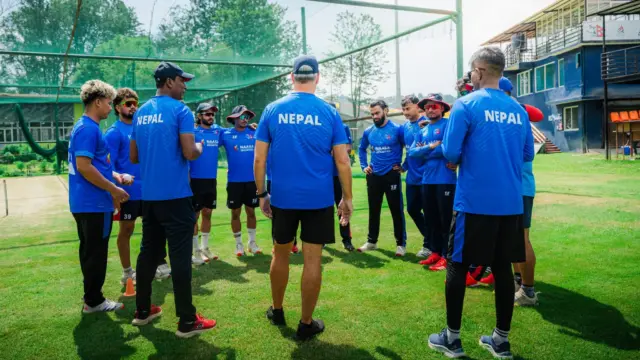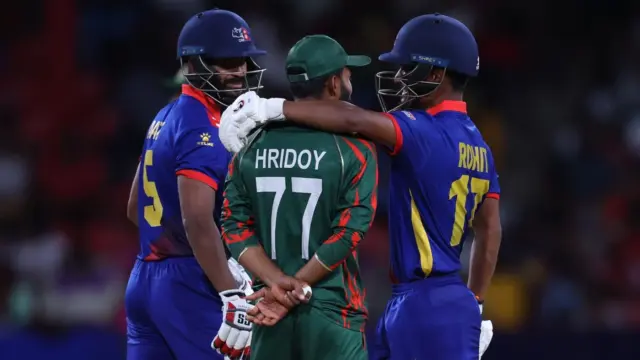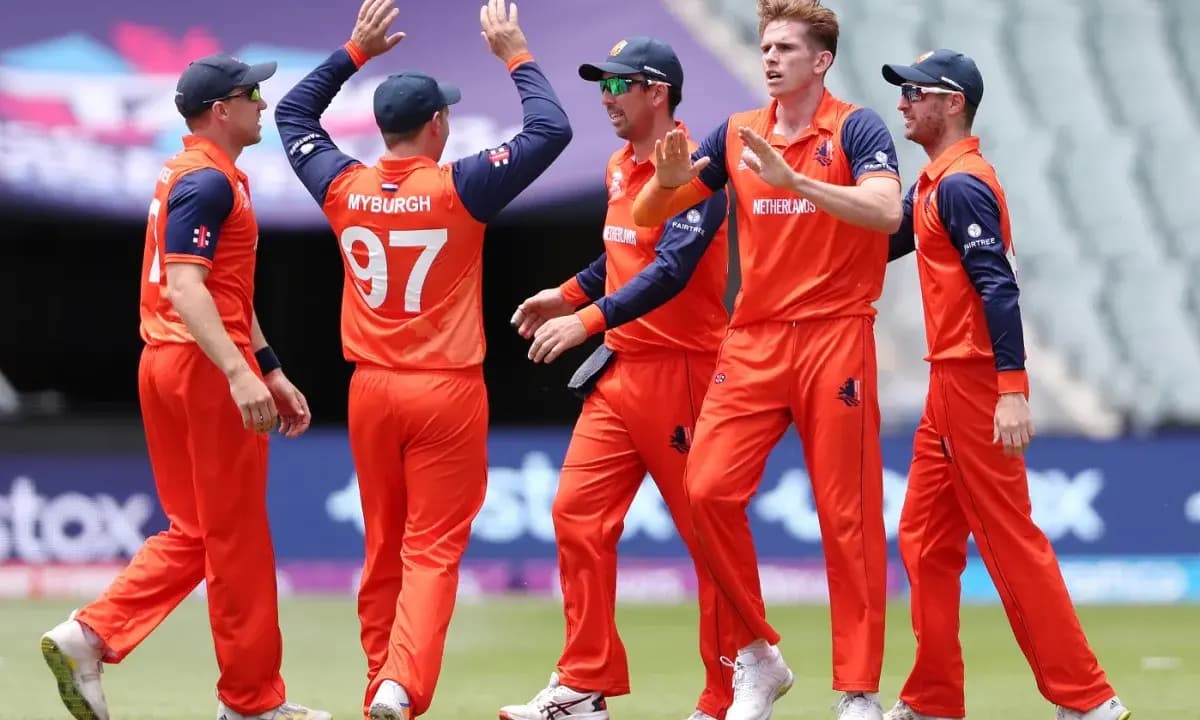
KATHMANDU - Scotland and Netherlands have publicly criticised the ICC's response to Associate concerns over the revised 2027 Men's ODI World Cup format, but Nepal have so far remained silent despite being one of the countries most affected by the pathway.
The ICC announced in July that the 2027 World Cup, co-hosted by South Africa, Zimbabwe and Namibia, will remain a 14-team tournament but will use a new three-stage structure. Under the revised format, the three lowest-ranked qualified teams will first play a round-robin Super Series. Only the winner of that stage will progress to the next round.
That means two qualified teams could be eliminated after playing just two matches at the World Cup.
The change has drawn criticism from Associate players, the World Cricketers' Association, Cricket Scotland and the Royal Dutch Cricket Association. Their concern is that teams are spending years in qualification cycles, planning resources and building squads around a pathway that has now changed during the cycle.
Netherlands captain Scott Edwards, Scotland captain Richie Berrington and Namibia captain Gerhard Erasmus had already raised concerns after the format was announced. The WCA also questioned the lack of consultation and said the change reduces the meaningful opportunity originally promised when the World Cup was expanded from 10 to 14 teams.
For Nepal, the issue is not distant. Nepal are part of the ongoing ICC Cricket World Cup League 2, where the top four teams qualify for the Cricket World Cup Qualifier and the bottom four enter the Qualifier Play-off route. Even if Nepal recover their pathway and eventually qualify for the 2027 World Cup, their ODI ranking could leave them vulnerable to the new Super Series stage.
That would mean qualification may no longer guarantee a full World Cup group-stage campaign against established Full Member sides.
As of August 11, the Cricket Association of Nepal has not issued a public statement on the ICC's revised ODI World Cup format. No Nepal player or official has publicly questioned the change, even though the decision directly affects Associate teams like Nepal, who rely on global tournaments for exposure, revenue and long-term development.
Nepal's silence is notable because the country has one of the strongest Associate cricket markets in the world. Nepal's fan base, broadcast value and recent World Cup appearances have helped push the game's visibility beyond the traditional Full Member structure.
But while Scotland, Netherlands and Namibia have spoken through players or boards, Nepal have stayed away from the debate.
The ICC has defended the new format by saying it will create more meaningful contests, improve competitiveness and enhance the tournament experience. But Associate boards and player groups argue that the change reduces opportunity at the very stage where emerging teams need it most.
For Nepal, the bigger question is whether CAN should join other Associate boards in asking for clearer consultation and a more secure pathway.
Nepal's immediate focus is the ACC Premier Cup and Asian Games and rebuilding after a poor League 2 tour, but the World Cup structure is a long-term issue that could shape the next phase of Nepal cricket.
If the pathway changes without strong voices from Associate boards, Nepal may find itself affected by decisions it never publicly challenged.