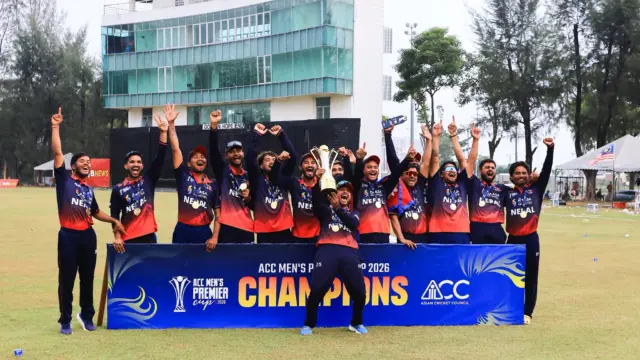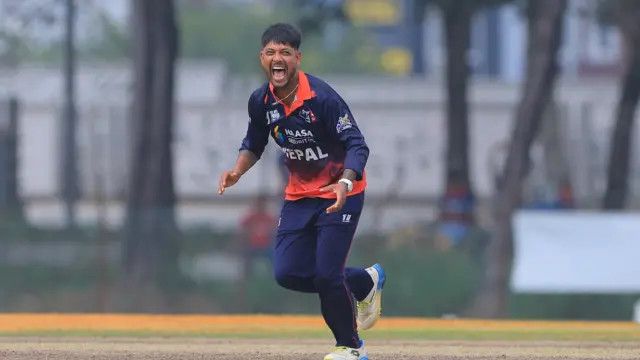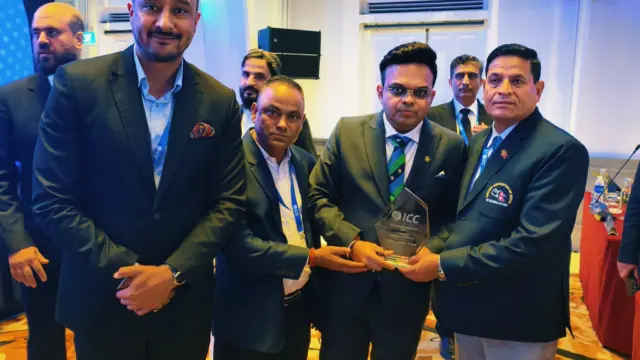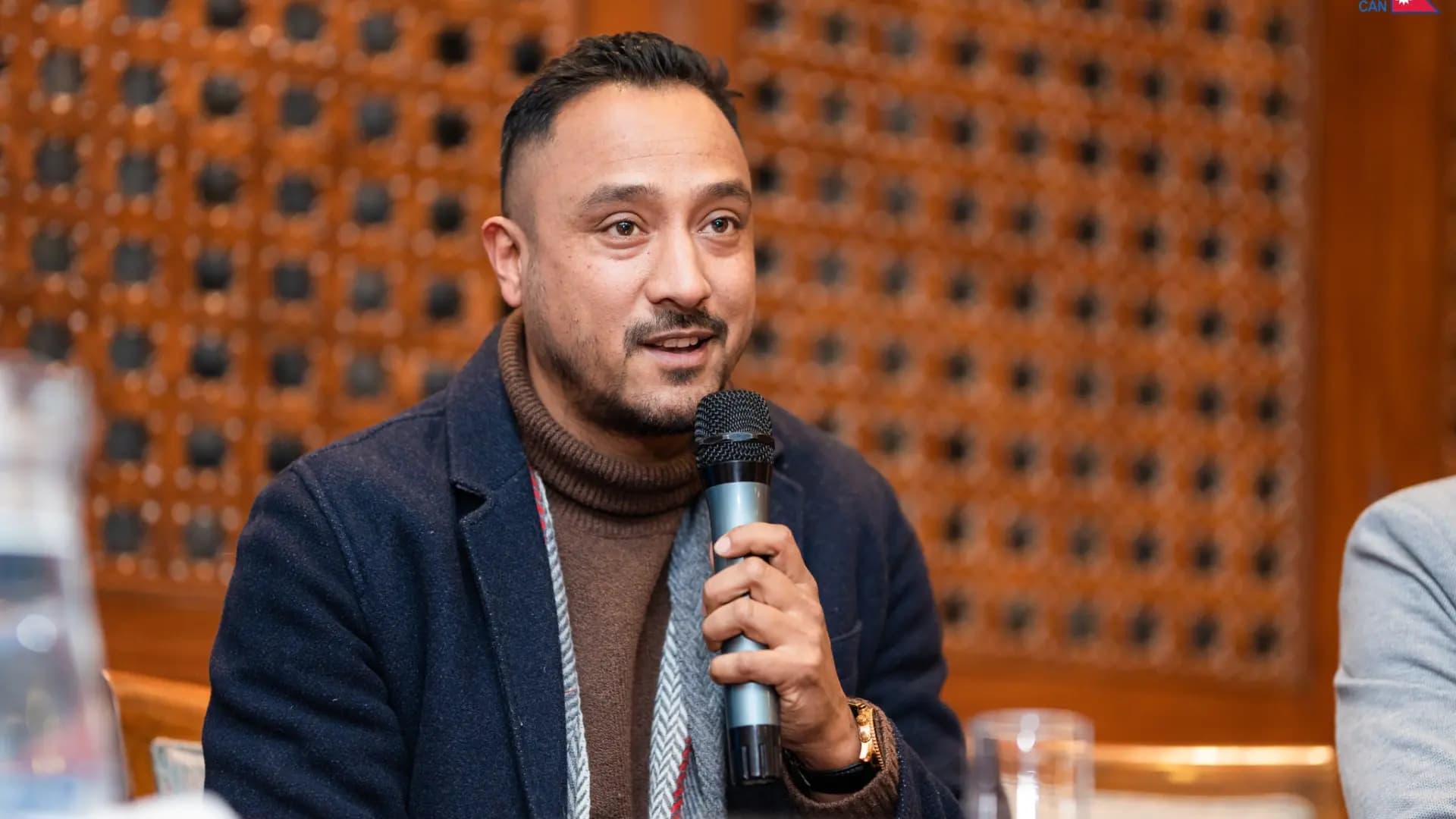
The Cricket Association of Nepal's decision to replace Rohit Paudel with Sandeep Lamichhane as Nepal's ODI captain was not prompted solely by the team's recent four-match losing run, CAN secretary Paras Khadka has said.
Speaking in an interview with Kantipur TV, Khadka said the leadership change had been under internal discussion and followed feedback from coaches, managers, support staff, players, the selection committee and the cricket board.
"This decision was already in the pipeline. It was not made because Nepal lost four matches on this tour," Khadka said.
Khadka praised Paudel's leadership, work ethic and contribution during his time as captain. He said CAN believed the responsibility of captaincy had also affected Paudel's batting and that removing the leadership burden could give him greater freedom as a player.
"Rohit led the team with his ability, honesty and working style. We are very proud of what he has done," Khadka said. "But change is inevitable. We felt it was time to give him freedom as a player because he still has a lot of cricket and a lot more to contribute."
Khadka added that Paudel had been informed of the impending change through the team management before the announcement. He stressed that the decision was institutional and followed an assessment of Paudel's overall captaincy record alongside feedback collected over several years.
According to Khadka, appointing Lamichhane is also part of CAN's attempt to introduce a fresh leadership perspective and create greater competition within the national setup. He said Nepal had repeatedly relied on a similar group of players across formats, limiting opportunities for cricketers performing in domestic competitions.
Lamichhane and the coaching staff will now work with the selection committee to identify the squad they believe is best suited to Nepal’s 50-over assignments.
"Professional cricket has to be competitive," Khadka said. "If you do not score runs, you have to sit out. If you do not take wickets, you have to sit out. Nepal cricket is bigger than any individual."
Nepal's difficult position in the ODI pathway formed part of the broader discussion, although Khadka cautioned against judging Lamichhane's captaincy only through whether Nepal retains ODI status. He said responsibility for the team’s results must be shared collectively by the captain, players, coaches, selectors and administrators.
Khadka expressed confidence in the present group but said Nepal must move beyond merely managing its ODI status and begin developing a stronger, more competitive cricket structure. He identified upcoming matches before Nepal’s remaining Cricket World Cup League 2 fixtures as an opportunity to test players and determine the strongest combination.
"Sandeep has an opportunity as one of our leading performers to inspire others and bring the team together,” Khadka said. "The motivation of every player must be to help Nepal win."