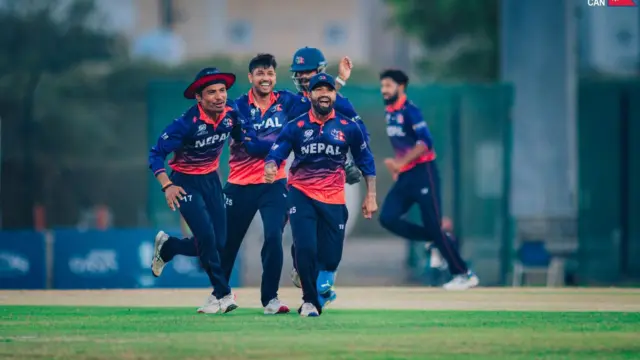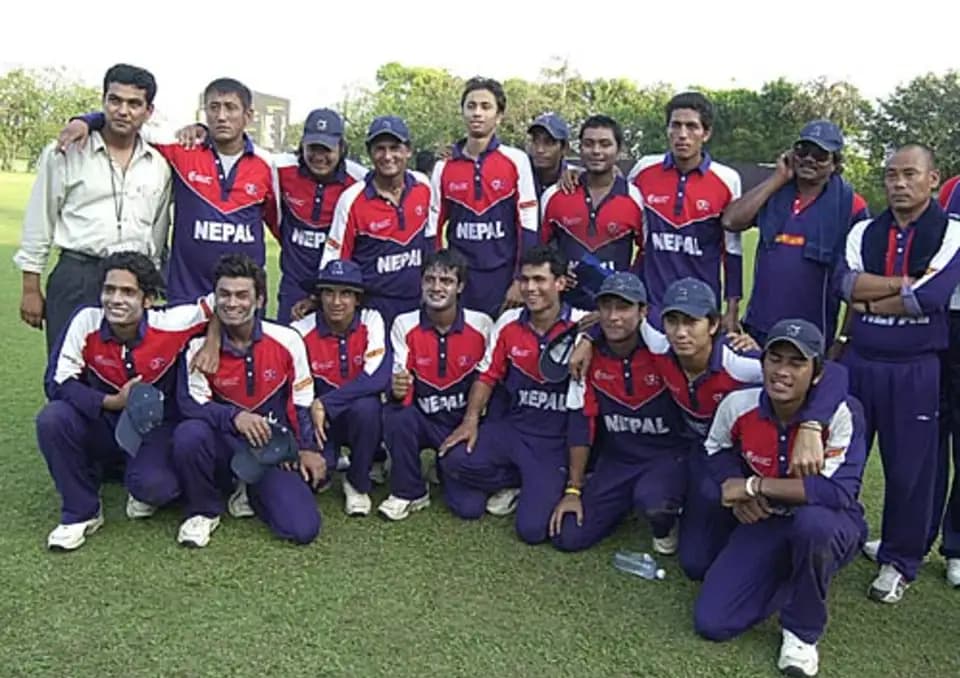
There are cricket moments built for highlight reels: a last-ball six, a debut hundred at Lord’s, the camera catching every reaction in real time. And then there are the moments that happen away from the sport’s brightest floodlights—on quieter grounds, in youth tournaments, in front of crowds that never imagined they were about to witness history.
In a recent video on his YouTube channel @TheRobbieUthappa, former India batter Robin Uthappa returns to one of those stories: Nepal's astonishing run at the 2006 ICC Under-19 World Cup, when an unfancied, homegrown group of teenagers beat South Africa and New Zealand in the space of a few days.
The backdrop matters. Nepal were not playing for the main U19 World Cup title by that stage—they were in the Plate Championship, the knockout bracket for teams that did not progress from the group phase. But if that sounds like a footnote, Nepal turned it into a statement. The Plate wasn't a consolation to them; it was a stage. It was a set of pressure games against opponents with deeper systems, stronger pathways, and far more global attention.
Nepal's first thunderbolt landed in the Plate semi-final in Colombo on 16 February 2006. They made 214/8—competitive, but not intimidating. Then they defended it like a team that had decided reputations would not decide the ending. South Africa finished 212/5, falling two runs short. Nepal had beaten a full-member nation by holding their nerve across 50 overs, in a chase that stayed alive right to the last ball.
Even the details of that defence underline how real the contest was. Nepal had to “stave off” a South African chase featuring Dean Elgar, who was left unbeaten on 66—a reminder that this wasn’t a lucky over or a single mistake from the favourites. Nepal had to close the match out with set batters at the crease and the margin almost invisible.
Two days later came the final, and the script tightened its grip even harder. In the Plate Final in Colombo on 18 February 2006, New Zealand made 204, a total that should have been defendable in a youth final. But it was New Zealand’s team sheet that made the challenge feel even steeper in retrospect: the presence of future internationals like Martin Guptill, Tim Southee, Colin Munro and Hamish Bennett. Nepal were not beating anonymous juniors. They were beating a machine that routinely produces senior international cricketers.

Then Nepal's chase nearly broke in the most predictable way possible. New Zealand had them 75/6, and the match looked as if it was slipping into the familiar underdog ending—brave effort, then collapse. But this is where the game stopped behaving like a cliché and started behaving like a legend. Basant Regmi, who had already starred with the ball (3/41), walked in with the chase in crisis and became the spine of the recovery.
From there, the story becomes about partnerships and nerve rather than reputation. A "stirring" 70-run stand between Prem Chaudhary (26) and Regmi (66) that dragged Nepal back into the contest. Even after both were dismissed late—exactly the moment most underdogs finally fall away—Nepal's last-wicket pair still found a path.
The finish, fittingly, belongs to the kind of detail that makes cricket feel cinematic. Ratan Rauniyar (26 )* and Raj Shrestha (3)* held their nerve, and that Rauniyar struck the winning boundary off Colin Munro with two balls remaining. Nepal reached 205/9 to win by one wicket.
That is why this week refuses to fade, and why Uthappa’s retelling lands so cleanly. Nepal didn't beat one heavyweight on a good day; they beat two in the same run of knockouts, in matches that demanded discipline under pressure rather than a single flash of luck. The ICC's own “throwback” framing calls it an "edge-of-the-seat thriller" and places Nepal’s Plate title alongside the most dramatic finishes the U19 World Cup has produced.
For Nepal cricket, the Plate trophy was important—but the bigger legacy was belief with evidence behind it. A generation of teenagers proved that structure can be challenged, that pressure can be survived, and that a smaller cricket nation can win the "crucial moments" if it refuses to give in. Even New Zealand's coach at the time said Nepal deserved credit for not giving in, while admitting New Zealand failed at the basics when it mattered most.
Nearly two decades later, as Nepal's cricket identity continues to grow and modern audiences discover the team through newer milestones, this story still stands as an origin-point. Not because it was romantic. Because it happened—on the scoreboard, on the final over, with two balls left and nowhere to hide.
Key moments
- 16 Feb 2006: Nepal defend 214/8; South Africa end 212/5 — Nepal win by 2 runs.
- 18 Feb 2006: New Zealand make 204; Nepal stumble to 75/6 during the chase.
- Basanta Regmi 66 anchors the recovery; Nepal win the Plate Final by 1 wicket (2 balls remaining); Regmi named Player of the Match.
- The match is still remembered and retold today—including in Robin Uthappa’s recent episode—because Nepal beat two full-member nations in the same week to lift the Plate trophy.
Watch the full video: